
Fifteen Years of Conservation Success
The South Florida Wildlands Association (SFWA) was founded in 2010 with a simple mission: to protect wildlife and wildlife habitat in the Greater Everglades.
Over the past fifteen years, SFWA has been involved in dozens of campaigns and projects on both public and private lands. Below is a summary of some of our most significant conservation successes.
Protection of Public Lands
On public lands, SFWA has worked closely with the National Park Service (NPS) to develop new management plans for Big Cypress National Preserve, Everglades National Park, and Biscayne National Park. These plans prioritize wildlife and habitat protection over expanded human access and recreation, while recognizing that these unique federal lands are an irreplaceable part of our national heritage—meant to be both protected and responsibly enjoyed.
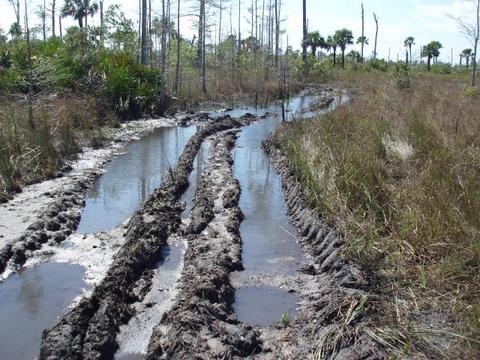
Big Cypress National Preserve
In Big Cypress National Preserve, SFWA used a combination of advocacy and litigation to help shape a management plan that allows off-road vehicle use, as required by the preserve’s enabling legislation, while restricting that use in areas where soils, vegetation, wetlands, and endangered species habitat would be damaged by what the NPS defines as “high-impact recreational activity.”
The final Backcountry Access Plan, published in November 2024 reflects a carefully negotiated balance between motorized and non-motorized access. After a decades-long and often contentious process, off-road vehicle users, environmental advocates, and the NPS were able to reach a compromise that provides both strong protection and reasonable motorized access to this extraordinary but fragile landscape.
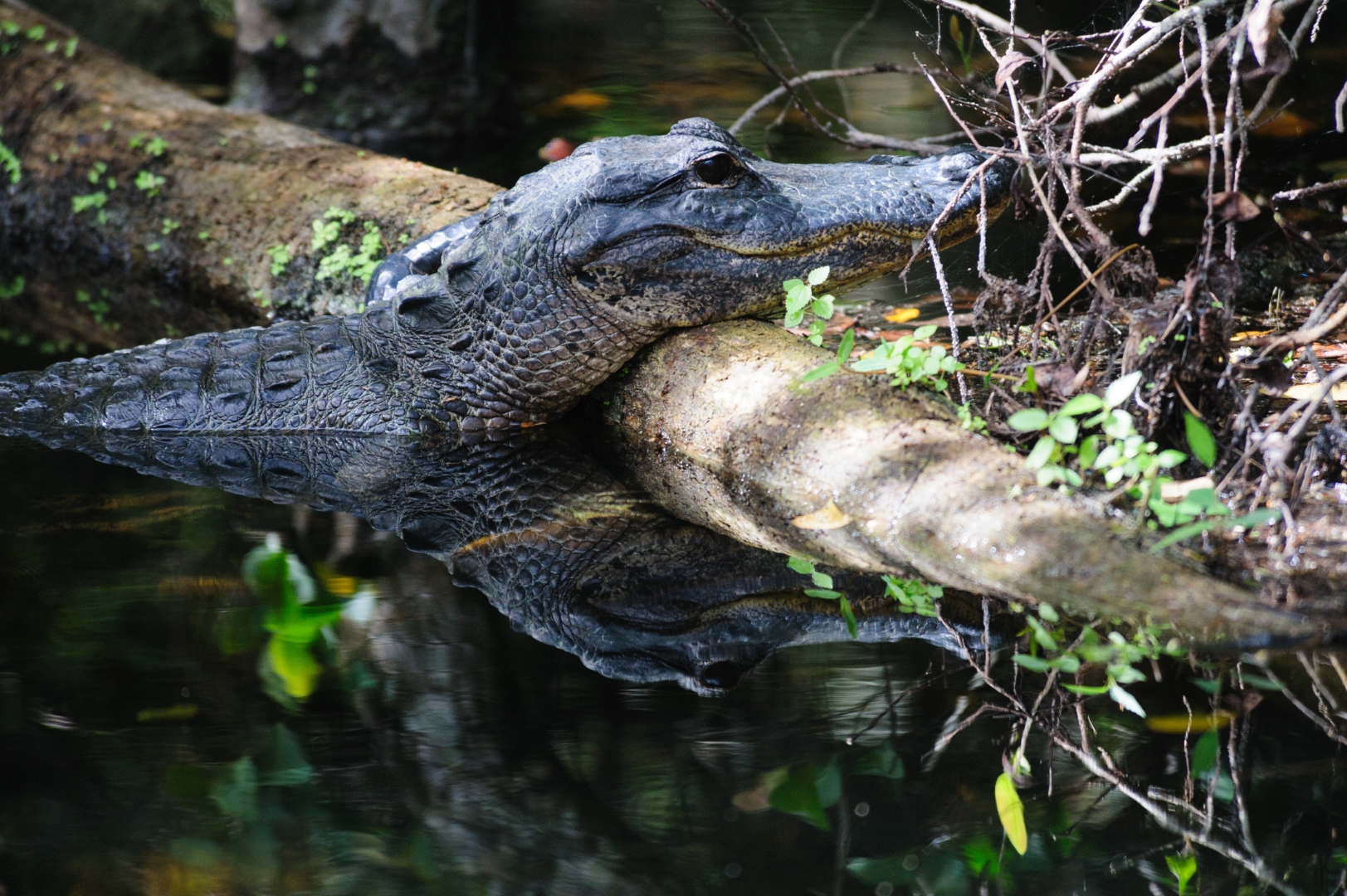
Everglades National Park
In Everglades National Park, Florida's best known and most visited public land, SFWA played a key role in the development of the park’s new General Management Plan, signed in 2015. Our work helped establish zoning measures to protect the vast estuary of Florida Bay and its more than 500,000 acres of shallow seagrass beds from damage caused by boat hulls and propellers, while also safeguarding vulnerable wildlife such as manatees and American crocodiles.
The final plan included a mix of Pole/Troll Zones, Idle Speed/No-Wake Zones, Access Corridors, a mandatory boater education course, and permanently closed areas such as the Crocodile Sanctuary.
Similar zoning protections were extended to the park’s East Everglades Expansion Area—109,000 acres of freshwater wetlands that include the Shark River Slough, the primary source of freshwater flow into the park—to reduce damaging impacts from airboat traffic. SFWA also advocated for expanded federal wilderness designation in the Expansion Area, resulting in the addition of 42,000 acres of proposed wilderness. This acreage will be added to the more than one million acres already designated as the Marjory Stoneman Douglas Wilderness Area.
Another major success in Everglades National Park was SFWA’s leadership in opposing a proposed Florida Power & Light (FPL) transmission corridor along the park’s eastern boundary. The project was ultimately halted through successful legal action by Miami-Dade County. The re-acquisition of this corridor—transferring it from FPL ownership to the NPS for permanent protection—remains an unfinished but ongoing objective.
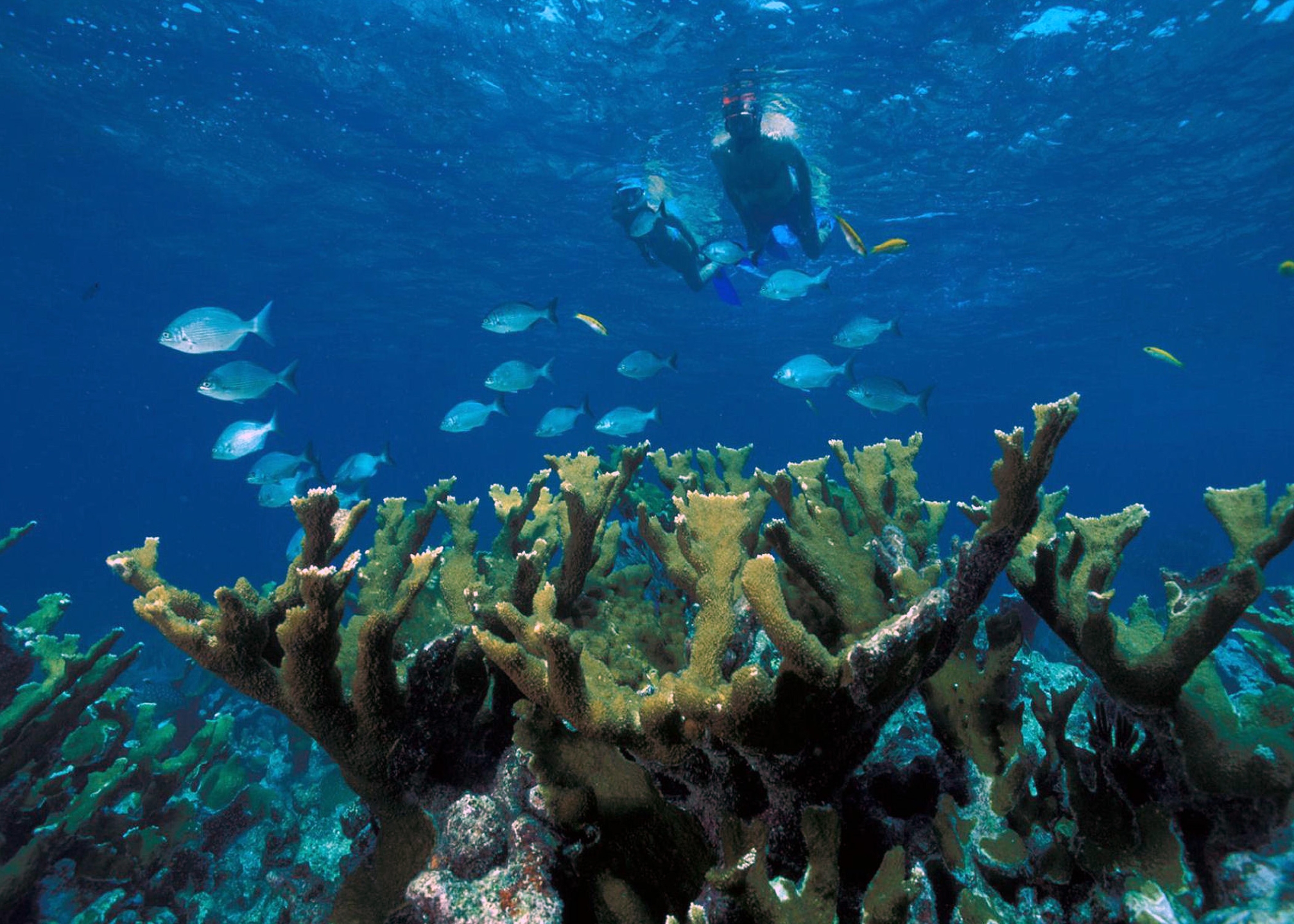
Biscayne National Park
In Biscayne National Park, SFWA was deeply involved in the park’s new General Management Plan, advocating for the creation of a 10,000-acre Marine Reserve Zone (MRZ)—a no-fishing area—over the park’s highly vulnerable coral reef. Biscayne’s reef is part of the only barrier reef system off the mainland United States and has suffered extensive damage from boat strikes, anchoring, and fishing tackle.
The MRZ, along with Coral Reef Protection Areas (CRPAs), no–combustion engine zones, trap-free and no-trawl zones, and revised fishing regulations, represents a comprehensive effort to protect this unique ecosystem. Although many of these measures were adopted in the park’s Fishery Management Plan and General Management Plan (signed in 2014 and 2015), implementation has been delayed due to opposition from the Florida Fish and Wildlife Conservation Commission (FWC) and some fishing and boating groups.
With more than 95 percent of the park underwater, Biscayne is the largest marine park in the National Park System and a national treasure deserving of stronger protection. SFWA continues to advocate for full implementation of the park’s management commitments arrived at after 15 years of hard work by countless stakeholders.
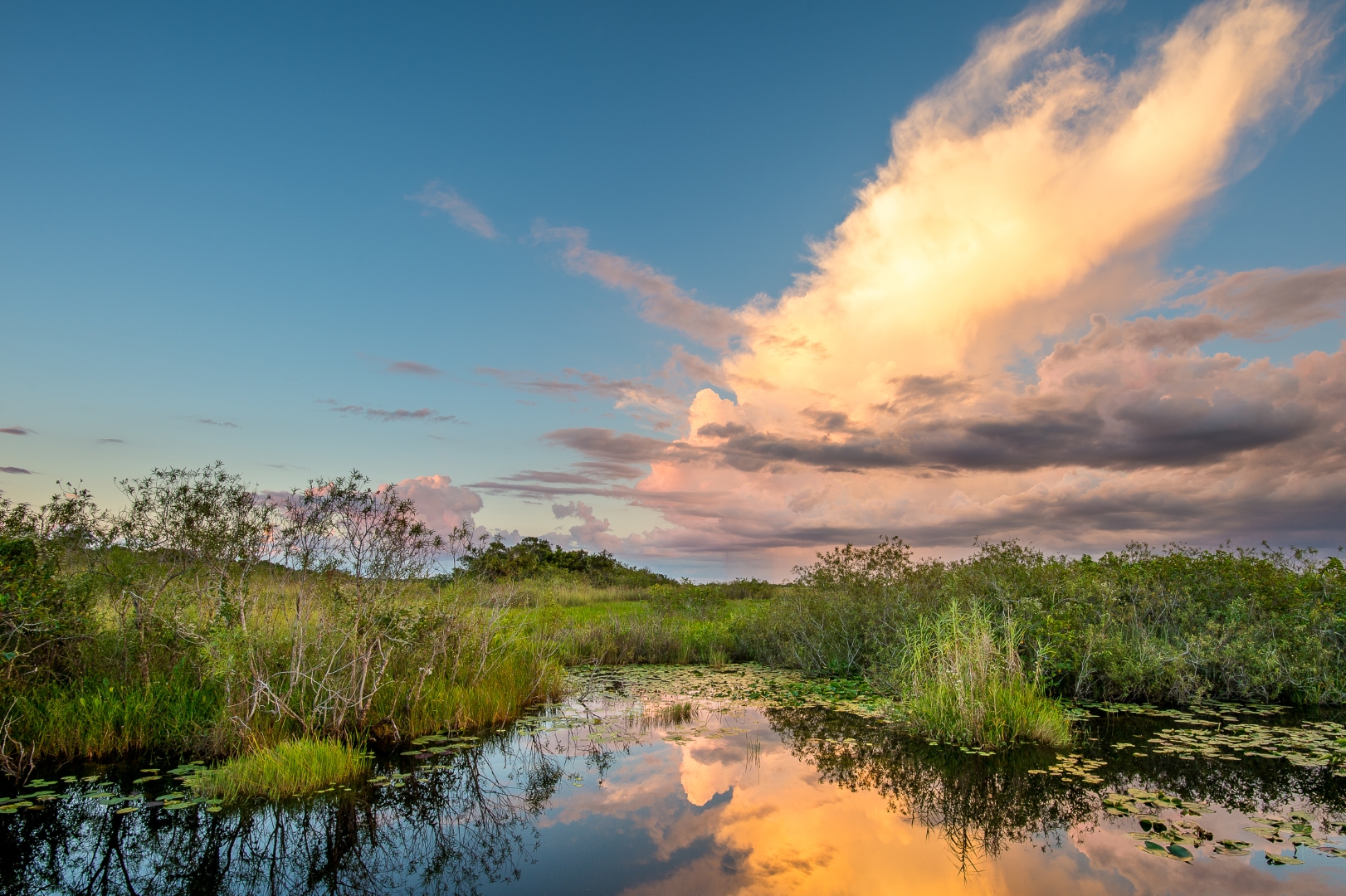
State Lands and Parks
Beyond federal lands, SFWA serves on FWC Management Advisory Groups for several state Wildlife Management Areas in South Florida. Those include Dinner Island, Okaloacoochee Slough, Babcock-Webb, and Everglades and Francis S. Taylor Wildlife Management Areas. In this role, we have helped promote management approaches that prioritize wildlife and habitat conservation while maintaining appropriate recreational opportunities.
SFWA also played a role in statewide opposition to the proposed “Great Outdoors Initiative,” which would have introduced large-scale developments—such as golf courses, pickleball courts, and lodges—into state parks, including South Florida's Jonathan Dickinson State Park. The public outcry over the Outdoors Imitative led to passage of the State Park Preservation Act in 2025 which now prohibits large-scale developments in Florida’s state parks.
Oil and Gas Drilling
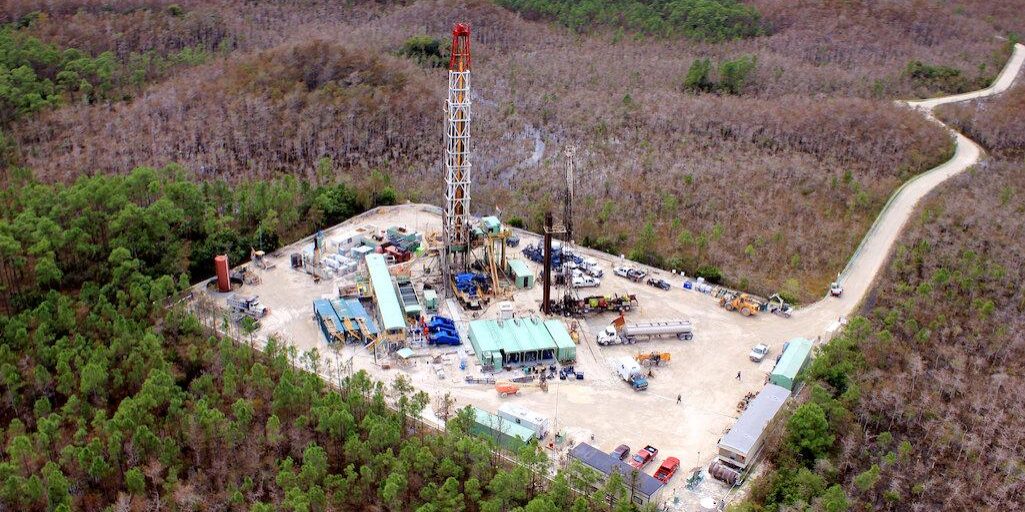
Opposition to oil and gas drilling in the Greater Everglades has been another central focus of SFWA’s work.
SFWA’s lawsuit challenging a proposed oil well by the Dan A. Hughes Oil Company adjacent to the Florida Panther National Wildlife Refuge and Golden Gate Estates contributed to the company’s decision to abandon its 115,000-acre lease and its South Florida operations entirely. The company withdrew from our lawsuit in 2014 and soon after terminated its minerals lease with Collier Resources.
We also sued the Florida Department of Environmental Protection (DEP) over a permit issued to Tocala LLC for seismic testing on 103,000 acres of Florida panther habitat north of Big Cypress and inside the Dinner Island Wildlife Management Area. Following settlement of the lawsuit, Tocala voluntarily withdrew from the project.
SFWA was a lead organization opposing Kanter Real Estate’s proposal to drill an exploratory oil well through the Biscayne Aquifer in Broward County. This aquifer supplies drinking water to Monroe County, Miami-Dade County, Broward County, and southern Palm Beach County. SFWA coordinated grassroots opposition across Broward County, supported passage of an anti-fracking ordinance, and filed an amicus brief supporting DEP’s permit denial. Ultimately, the State of Florida purchased all 20,000 acres of Kanter’s lands and mineral rights in the Everglades, ending the threat.
In 2018, SFWA supported Amendment 9, a constitutional amendment banning oil and gas drilling in Florida state waters (up to 9 miles in the Gulf and 3 miles in the Atlantic). The amendment passed with nearly 70 percent voter approval.
SFWA has also opposed seismic testing and drilling in Big Cypress National Preserve by Burnett Oil on a 235,000-acre lease from Collier Resources. Working alongside coalition partners, our efforts helped prompt the NPS to require a full Environmental Impact Statement before any drilling could proceed. Burnett has since halted seismic operations and has not applied for drilling permits.
Currently, SFWA is opposing federal proposals under the 11th National Offshore Leasing Program (2026–2031) that would open nearly 20 million acres in the Eastern Gulf and near Florida’s coastlines to oil and gas development. Given the severe risks to Florida’s coastal ecosystems–beaches, seagrass beds, coastal marshes, coral reefs, mangroves, and countless species of marine wildlife–SFWA remains firmly opposed to this expansion.
Black Bear Hunting and Other Hunting Issues
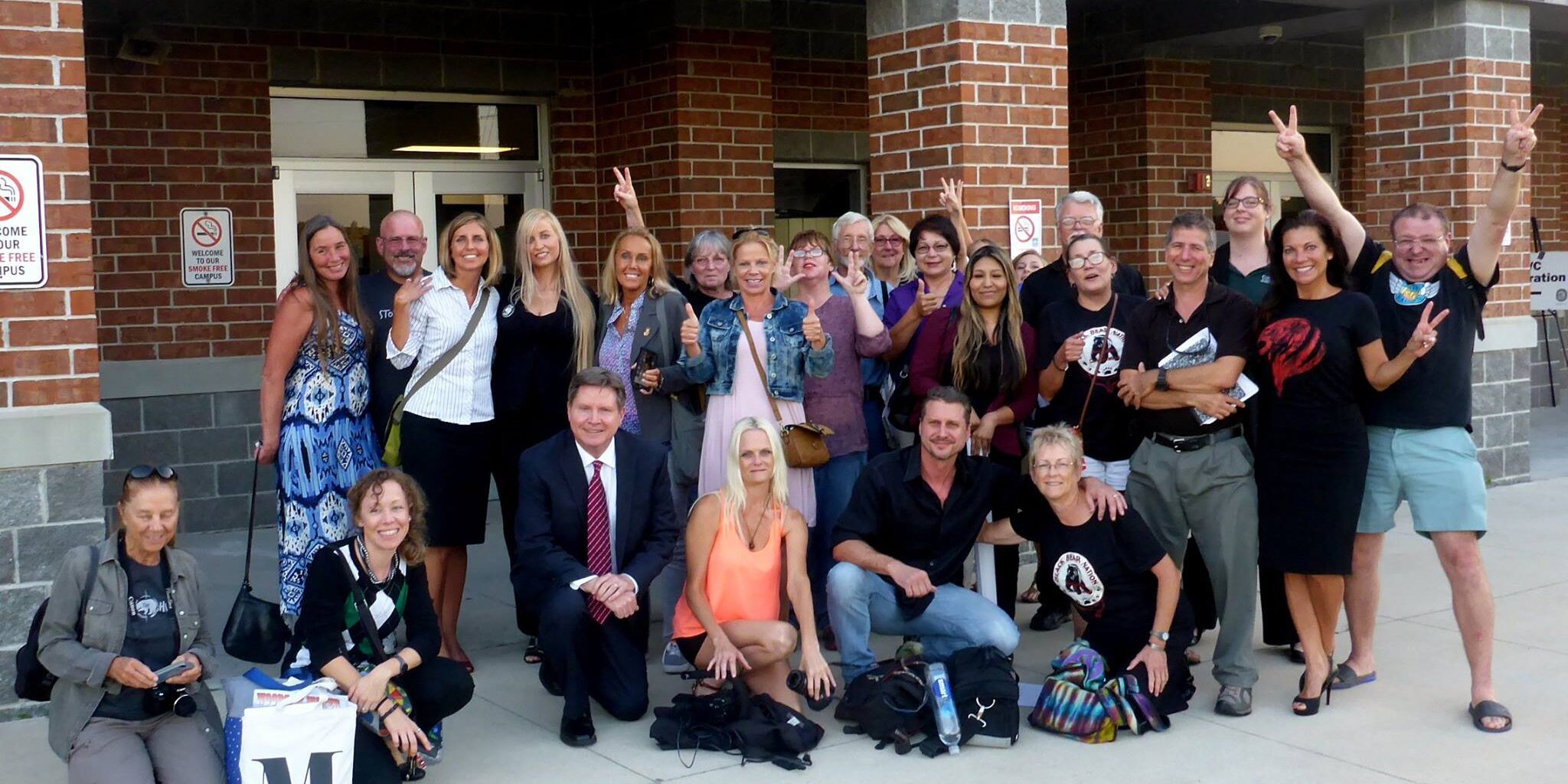
SFWA played a key role in ending Florida’s black bear hunt after the disastrous 2015 season, during which approximately 300 bears were killed in just two days of hunting. Although a new hunt was authorized in 2025, SFWA continues to oppose bear hunting in Florida's geographically and genetically isolated bear populations and advocates for non-lethal management strategies for the species.
We believe human–bear conflicts stem primarily from unsecured food sources and ongoing development in prime bear habitat—not from bear population levels. Roadkill alone kills approximately 300 bears annually, with additional losses from management actions and illegal poaching. SFWA will closely monitor the impacts of the 2025 hunt and continue participating in FWC deliberations on future quotas.
SFWA has also opposed the introduction of hunting on certain public lands where it conflicts with conservation goals and public use. Those have included alligator hunting in Loxahatchee National Wildlife Refuge due to user conflict and hunting within the Florida Panther National Wildlife Refuge, federal land established primarily for the benefit of Florida panthers and not public recreation. We also opposed hunting in the 146,000-acre Addition Lands of the Big Cypress where a low deer and hog population supports an important population of Florida panthers. In all of these cases, hunting threatens wildlife conservation objectives and increases user conflicts.
M-CORES Highway Project

The cancellation of the M-CORES toll road project—a proposed highway from Collier County to the Florida–Georgia border—was another major conservation victory. In addition to speaking out at many public meetings, SFWA’s contribution included a public records request that revealed internal concerns within the U.S. Fish and Wildlife Service about the project’s devastating impacts on wildlife, including the Florida panther, and wildlife habitat. This science-based evidence helped support the Florida Legislature’s decision to cancel the project in 2021.
Florida Panther Habitat Preservation
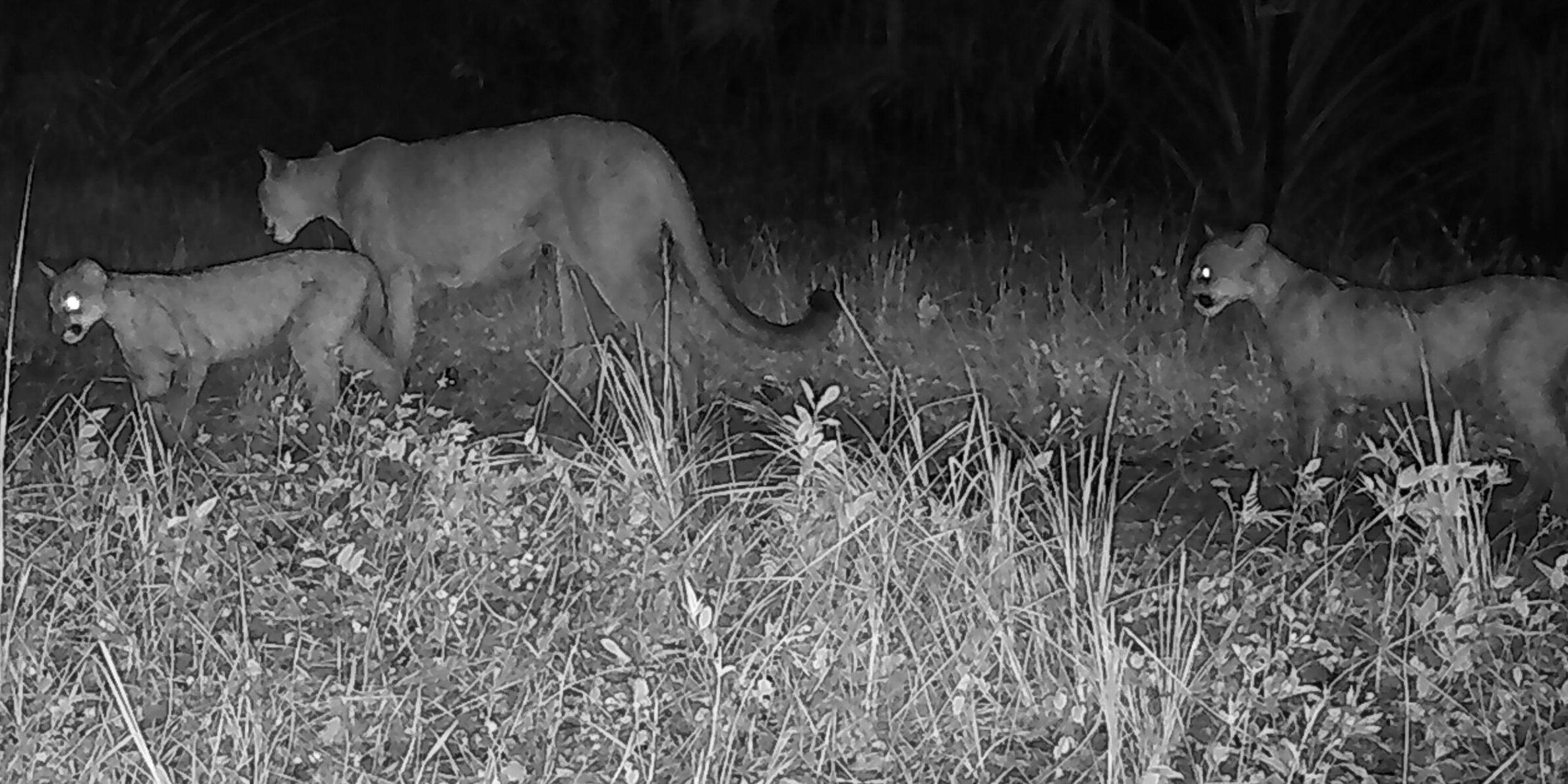
SFWA’s ongoing work on Florida panther conservation focuses on resisting rapid development across remaining rural lands in Southwest Florida—home to the last breeding puma population in the eastern United States. Through public testimony, written comments, and engagement with decision-makers at the county, state, and federal level, SFWA has consistently warned that continued habitat loss—now reduced to less than five percent of the panther’s historic range in the Southeast U.S.—places the species on a direct path toward extinction.
Absent meaningful policy change, SFWA anticipates further legal action to prevent irreversible harm to Florida’s most iconic endangered species.